.png)
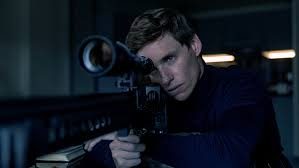
The Day Of The Jackal Store: Inside the TV Show’s Dark Twist
When the mysterious pop‑up opened on a quiet downtown street, fans of the cult hit series thought they had stumbled upon a clever fan‑service shop. Instead, The Day Of The Jackal Store turned out to be a full‑blown extension of the TV show’s most shocking storyline, offering a tangible breath of its dark, twisted narrative. The moment you step inside, the atmosphere shifts from ordinary retail to an immersive experience that mirrors the series’ unsettling tone. In this blog we dive deep into the concept, the shocking twist hidden within the store, and why it matters to both aficionados and casual viewers.
The Day Of The Jackal Store: Concept and Origin
The idea began as a marketing stunt, but quickly evolved into an elaborate set piece. Showrunners wanted a place where fans could physically engage with the show’s mythos, so they commissioned a storefront that looked like an innocuous boutique yet concealed a deeper, ominous purpose. Designers studied the series’ color palette, props, and set design to replicate the exact look and feel the audience has come to recognize. The result is a space that feels both familiar and threatening, inviting curiosity while hinting at something far more sinister.
Key to the store’s authenticity is the use of authentic props from the series—repurposed weapons, cryptic dossiers, and the infamous jackal figurine that became a symbol of the antagonist’s relentless pursuit. Even the lighting is intentional, casting long shadows that echo the show’s chiaroscuro visual style. By embedding these details, the creators ensure the store isn’t just a backdrop but an extension of the narrative itself.
Beyond aesthetic fidelity, the store serves a narrative function. It is positioned as a clandestine hub where characters in the series exchange secrets and plot devices. This meta‑layer allows visitors to step into the storyline, blurring the line between fiction and reality. The careful planning behind this concept showcases how immersive marketing can deepen audience engagement while preserving the show’s core suspense.
Twist in the Narrative: Dark Turns Inside the Store
At first glance, the shop appears to sell vintage collectibles and exclusive merchandise. However, hidden behind a false wall is a secret chamber that mirrors the series’ most shocking climax. Guided by an augmented‑reality app, visitors uncover a series of riddles that lead them to a locked box containing a replica of the infamous encrypted file. Opening it triggers a short, original video—unreleased footage that reveals a darker backstory for the main antagonist.
This twist isn’t merely a gimmick; it reframes the viewer’s understanding of the character’s motives. The new footage suggests that the “Jackal” may have been coerced, adding layers of moral ambiguity to an otherwise clear‑cut villain. By providing this extra context, the store invites fans to reconsider long‑held assumptions, sparking heated discussion across social media platforms.
The psychological impact of this surprise is amplified by the store’s design. Low‑frequency soundscapes echo throughout the hidden room, creating a subtle feeling of unease. Combined with flickering lights and the scent of old paper, the experience becomes a multisensory reminder of the series’ tension, making the twist feel inevitable yet still shocking.
Production Secrets Behind the Scenes
Bringing such an intricate concept to life required coordination between the show’s production team, set designers, and a specialized experience‑design agency. The team reconstructed the original set’s construction blueprints, then adapted them to meet real‑world building codes while preserving the eerie atmosphere. Special attention was given to the store’s “secret” mechanisms—magnetic locks, hidden panels, and motion‑activated lighting—all engineered to function reliably for countless visitors.
To maintain narrative consistency, the writers crafted a concise script for the exclusive video shown inside the hidden chamber. This script was vetted by the show’s showrunner to ensure it aligned with the established canon while still offering fresh insight. The collaboration illustrates how storytelling can extend beyond the screen, influencing physical spaces in a seamless, believable way.
Another hidden gem is the integration of QR codes subtly placed on merchandise tags. Scanning these codes unlocks additional audio logs that deepen the lore, allowing fans to piece together a larger puzzle. This blend of analog and digital storytelling exemplifies modern transmedia techniques, where each medium adds a unique layer to the overall narrative.
What the Twist Means for Viewers and the Future of Immersive TV
The dark revelation inside The Day Of The Jackal Store has sparked a fresh wave of fan theories, proving that immersive experiences can rejuvenate interest in a series long after its final episode aired. By offering a tangible extension of the story, the store creates a community hub where fans gather, discuss, and hypothesize about the show’s lingering mysteries. This communal aspect fuels ongoing engagement, turning a passive viewing habit into an active, shared adventure.
Moreover, the success of this venture signals a broader industry shift. Creators are increasingly exploring physical spaces as narrative extensions, blurring the boundaries between television, theater, and interactive art. For audiences, this means a richer, more participatory relationship with their favorite stories—one that promises surprises beyond the screen.
Ultimately, the store’s dark twist reinforces the series’ core theme: nothing is ever as simple as it appears. Whether you’re a die‑hard fan or a newcomer intrigued by the concept, stepping into The Day Of The Jackal Store offers a compelling reminder that the line between reality and fiction can be as thin—and as thrilling—as a whisper in a dimly lit room.