.png)
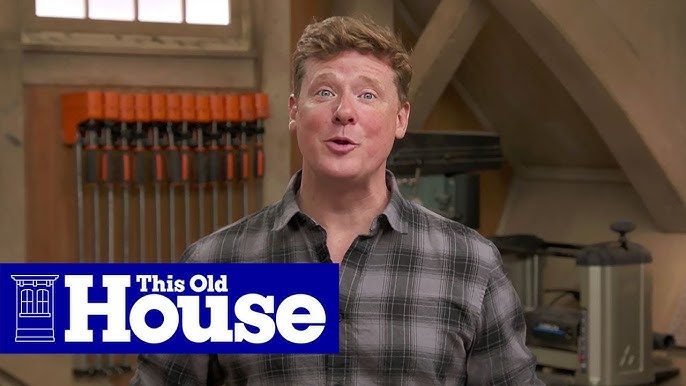
This Is Old House Store TV Series Uncovers Retro Home Hacks
Imagine stepping into a living room where a vintage rotary phone rings alongside a sleek smart speaker, or a kitchen that blends reclaimed wood cabinets with modern LED lighting. The new series This Is Old House Store does exactly that, taking viewers on a journey through time‑tested home hacks that still work wonders today. Each episode peels back the layers of retro design, revealing clever tricks that saved money, reduced waste, and added charm long before the age of Instagram aesthetics. If you love DIY, love history, or simply love a good makeover, this show offers a treasure trove of inspiration that feels both nostalgic and refreshingly practical.
Rediscovering Classic Storage Solutions
One of the most satisfying segments of This Is Old House Store showcases vintage pantry organization. Before the era of pull‑out shelves, homeowners relied on glass jars, wooden crates, and metal tins to keep dry goods visible and fresh. The series demonstrates how to adapt these methods using simple labeling systems, airtight lids, and tiered shelving made from reclaimed barn wood. By swapping out bulky modern containers for these time‑honored options, you not only free up space but also create a visually appealing display that invites you to cook more often.
Another retro hack highlighted is the use of under‑counter pull‑out spice racks. Originally crafted from pine or oak, these racks slide effortlessly, keeping spices within arm’s reach while protecting them from humidity. The show walks you through installing a DIY version using affordable hardware stores, proving that a small investment can transform a cluttered countertop into a sleek, functional workspace.
Energy‑Saving Techniques From the Past
Before electric heating became mainstream, many households relied on ingenious passive strategies to keep homes warm. The series delves into techniques such as window shutters, heavy drapes, and strategic placement of rugs to trap heat. It explains how these simple, low‑cost solutions can be combined with modern insulation upgrades for maximum efficiency.
One standout episode explores the old‑fashioned “draft stopper” made from rolled-up cotton fabric and sewn into a decorative cover. By placing it at the base of doors, you can reduce heat loss dramatically—an especially useful tip for renters who cannot alter door thresholds. The host also demonstrates how to create a DIY solar oven using a discarded metal sheet and reflective foil, echoing the ingenuity of ancestors who cooked using the sun’s free energy.
Reviving Retro Aesthetics With Modern Twists
While the series celebrates historical design, it never forgets contemporary comfort. A popular episode pairs mid‑century modern furniture with reclaimed brick accent walls, showing how the raw texture of old building materials can amplify the clean lines of 1950s pieces. The show’s interior designer explains the importance of balance—mixing the old and new in a way that feels cohesive rather than chaotic.
In the bathroom, the series highlights vintage porcelain sinks refurbished with new plumbing fixtures. By polishing the original enamel and adding a sleek faucet, you retain the classic look while enjoying modern water efficiency. This technique underscores a broader message: you don’t have to choose between heritage and sustainability; with thoughtful renovation, both can coexist beautifully.
Conclusion: Why This Is Old House Store Matters Today
At its core, This Is Old House Store is more than a nostalgic trip down memory lane; it’s a practical guide for anyone looking to make their home smarter, greener, and more personal. The retro home hacks featured in each episode remind us that clever design isn’t a new invention—it’s a timeless art. By adopting these proven strategies, you save money, reduce waste, and cultivate a living space that tells a story. So next time you stumble upon an old chest of drawers or a forgotten pantry shelf, think of the show’s lessons and unleash the potential hidden within. After all, the best homes are built on the foundation of the past, enhanced by the innovations of today.